



Calls to remove d4vd from Spotify are intensifying by the day, with petitions and social media campaigns demanding the platform cut ties entirely with the embattled alt-pop singer.
The backlash follows his arrest and charging in the death of 14-year-old Celeste Rivas Hernandez, with prosecutors alleging a pattern of sexual abuse that escalated into murder, with many believing that d4vd directly referenced the murder in his work.
Some observers have even suggested that the musician’s lyrics may be presented in court as evidence. However, as the outrage grows louder, it is also exposing a deeper and more uncomfortable question about how streaming platforms decide who stays and who disappears.
Because while pressure builds to erase one artist facing extreme allegations, a long list of convicted musicians – including figures tied to violence, sexual offenses, and even murder – remain fully accessible, searchable, and widely streamed.
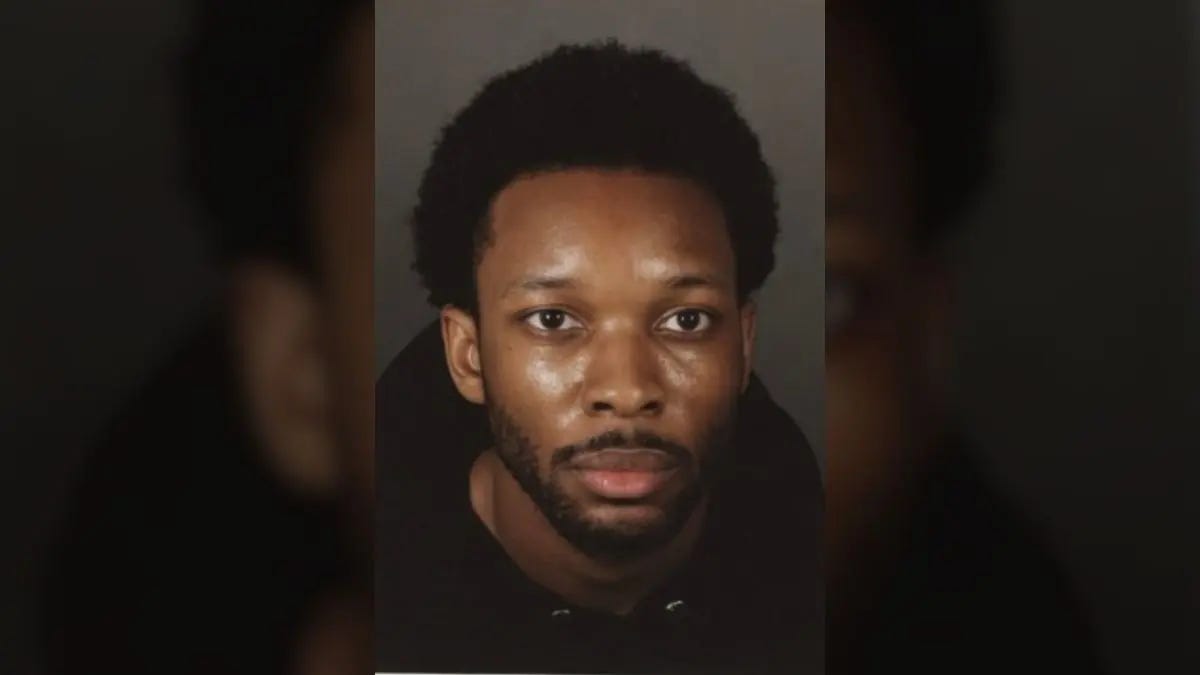
The pressure has been amplified by the disturbing nature of the Hernandez case, including the reported discovery of the victim’s remains in the trunk of a vehicle linked to the artist, as well as references in court filings to a significant amount of child sexual abuse material recovered from electronic devices.
Despite the scale of the backlash, Spotify has historically taken a cautious stance toward removing artists based on criminal allegations or even convictions. The company has long maintained that it does not act as a moral arbiter of an artist’s personal conduct, instead focusing its enforcement policies on whether the music itself violates rules around hate speech or incitement.
This distinction has created a consistent pattern across the platform, where even artists convicted of serious crimes remain widely available to stream, often with active listener bases and continued algorithmic promotion.
The debate surrounding d4vd has therefore reopened a familiar question, with many observers pointing out that calls for removal rarely align with the platform’s historical approach.
Across genres and decades, numerous artists with criminal convictions – including those involving violence, sexual offenses, and exploitation – continue to have fully accessible catalogs.
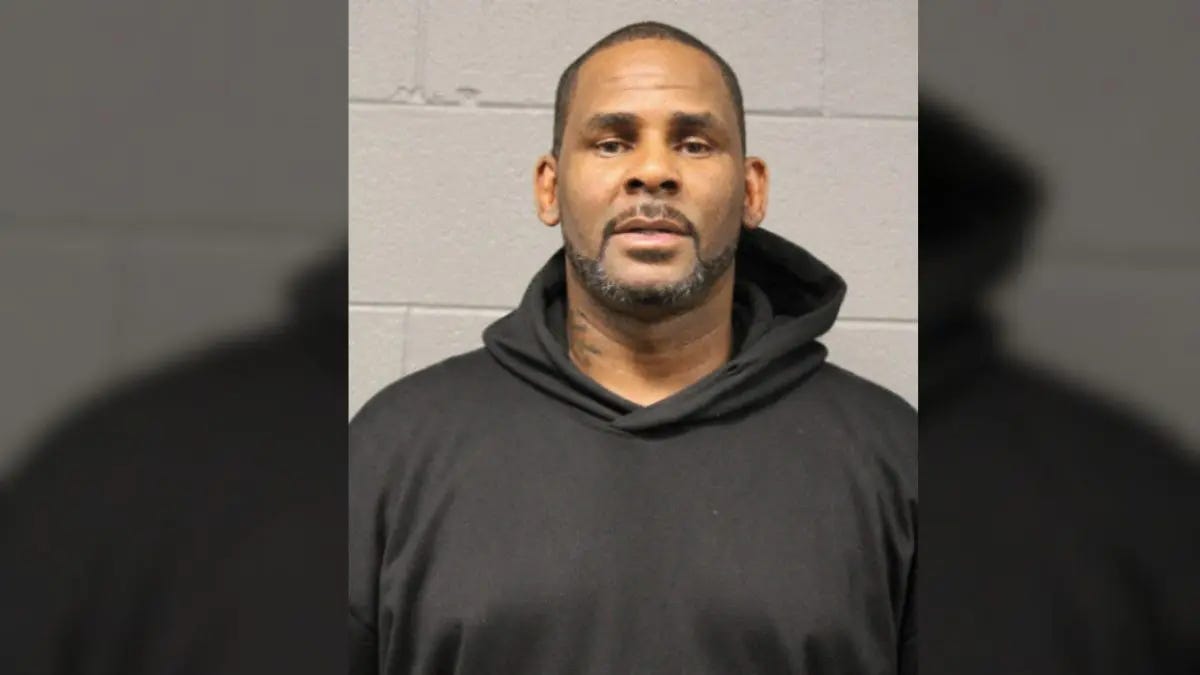
Among the most frequently cited examples is R. Kelly, who was convicted on multiple counts, including racketeering, sex trafficking, and the sexual exploitation of minors, yet whose catalog remains one of the most streamed in R&B.
Chris Brown, who pleaded guilty to felony assault in a widely publicized domestic violence case, continues to maintain a dominant presence across pop and R&B playlists with consistent streaming numbers.
Gary Glitter, the British glam-rock performer convicted of multiple child sexual abuse offenses, still has his music available, including tracks that remain culturally recognizable despite minimal promotion.
Phil Spector, the influential producer convicted of second-degree murder, continues to have his work widely accessible through compilations and legacy recordings tied to artists he produced.
Axl Rose, whose legal history includes assault-related convictions and allegations, remains the frontman of one of the most heavily streamed rock catalogs, with Guns N’ Roses maintaining global popularity.
Anthony Kiedis of the Red Hot Chili Peppers, who was convicted of sexual battery and has publicly acknowledged relationships involving underage girls, continues to front a band whose music remains ubiquitous across playlists.
C-Murder, currently serving a life sentence for second-degree murder, continues to have his music available, including recordings released from prison.
XXXTentacion, who faced serious domestic violence charges before his death, remains one of the most-streamed artists of his generation, with posthumous releases continuing to perform strongly.
6ix9ine, who pleaded guilty to racketeering conspiracy and has faced additional legal controversies, continues to generate significant streaming traffic despite his polarising reputation.
Tory Lanez, convicted of shooting Megan Thee Stallion and currently serving a prison sentence, continues to release music that remains accessible and widely circulated on the platform.
This is, of course, barely scratching the surface. Major names such as Michael Jackson, Elvis Presley, and David Bowie, have faced claims of child sexual abuse. Jerry Lee Lewis married his 13-year-old cousin.
Iggy Pop admitted criminal sexual behaviour in his autobiography, and the crimes of Lostphrophets frontman Ian Watkins remain unspeakable.
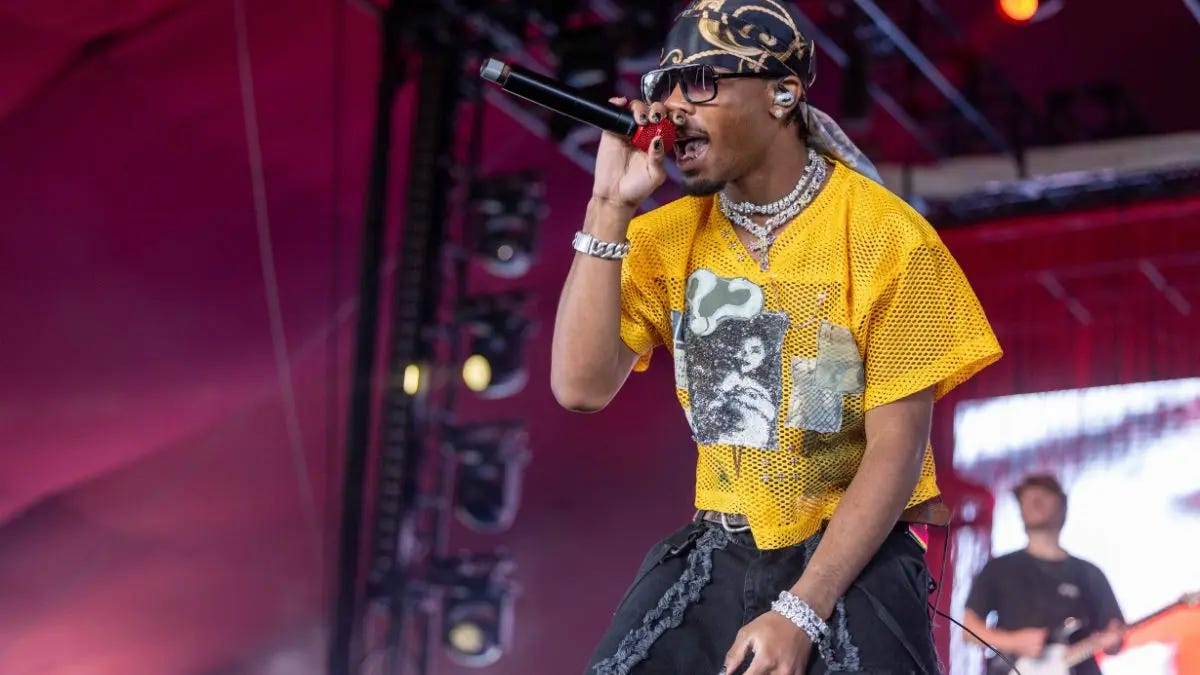
These cases illustrate a consistent pattern in Spotify’s approach: criminal convictions – even those involving violence or minors – have not typically led to full catalog removals.
The platform has instead relied on a narrower interpretation of its policies, focusing on the content of the music rather than the conduct of the individual behind it.
One notable exception to this pattern came in 2019, when Spotify removed the entire catalog of Blood on the Dance Floor, citing violations of its prohibited content guidelines rather than the numerous allegations against frontman Dahvie Vanity.
The decision was tied specifically to the lyrical content of the music, which was deemed to promote or incite harm, marking a rare instance of full removal driven by what the songs contained.
Yet, again, critics point to the countless instance of violence being promoted across thousands of major songs on the platform, suggesting the ban was performative, with bigger stars surviving on their name (and revenue) value.
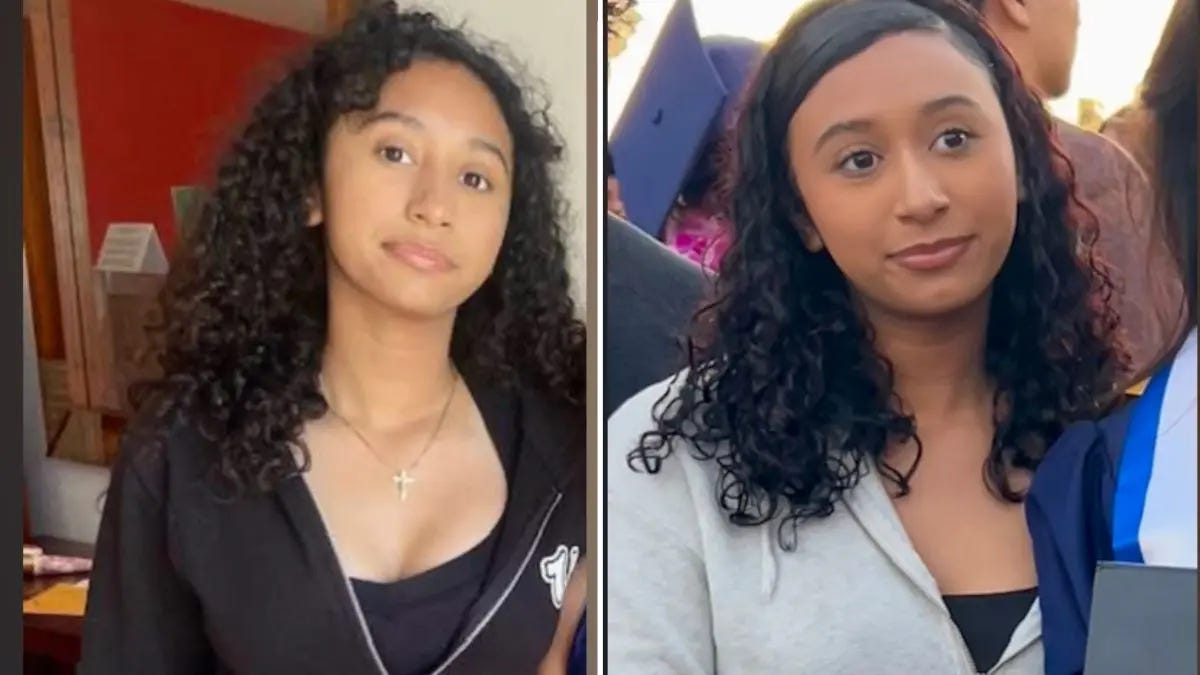
The contrast has become central to the current debate, as critics argue that the distinction between content and conduct creates an uneven standard that allows some of the most serious criminal cases to coexist with mainstream accessibility.
At the same time, others point to the platform’s scale, economic incentives, and concerns around censorship as reasons for maintaining a consistent boundary around what triggers removal.
As d4vd’s case continues to unfold, the likelihood of a full catalog ban appears uncertain, particularly given Spotify’s track record and its reluctance to intervene based solely on allegations or even convictions unrelated to the music itself.
The controversy has once again exposed the tension between public accountability and platform neutrality, raising questions about where responsibility begins and ends in an era where music, identity, and conduct are increasingly intertwined.
For now, the pattern remains unchanged.
Artists with convictions for serious crimes continue to stream, their catalogs intact, their audiences active, and their presence embedded within the platform’s ecosystem.
Whether d4vd becomes an exception – or simply the latest addition to that list – may ultimately depend not on the severity of the case, but on where Spotify draws its line.