


Sylvester Stallone’s newly released memoir has become the center of an autograph mystery after eagle-eyed fans identified at least five dramatically different signature styles in supposedly hand-signed editions, raising questions about whether every copy was personally autographed by the Hollywood star.
The 80-year-old Rocky actor released The Steps on September 29, with signed editions distributed through Barnes & Noble, Books-A-Million, Canada’s Indigo and independent British booksellers.
But collectors comparing their purchases online have highlighted striking differences between signatures on the books, prompting speculation about secretarial signing, ghostwriters and the possible use of mechanical autopen devices.
The debate has intensified on autograph hunters’ websites.
Photographs shared among collectors show some autographs dominated by sweeping loops and long diagonal strokes, while others feature more compact lettering, angular flourishes and noticeably different proportions.
One comparison attracting particular attention involves a photograph Stallone shared on Facebook showing him signing a copy of his memoir.
The signature visible in that image appears substantially more elaborate than several examples circulating among buyers.
The differences have fueled questions about whether some books could have been signed by assistants or reproduced mechanically, although neither possibility has been established.
The online discussion has also exposed disagreement about what constitutes suspicious variation in a celebrity’s handwriting.
Stallone has spent decades signing memorabilia, and experts say autograph styles can change considerably depending on speed, writing position, fatigue and the number of items being signed.
One autograph hunter’s research has nevertheless uncovered distinct patterns across commercially distributed copies of Stallone’s memoir.
In one update, the collector reported examining 102 examples of Stallone’s signatures, dividing them into five groups containing 10, 16, 36, 20 and 20 signatures.
Among 28 British examples, two styles accounted for 24 signatures, suggesting certain variations may be concentrated within particular distribution batches.
The figures represent the collector’s observations, not an independent authentication study.
The controversy is particularly sensitive because signed celebrity memoirs have become desirable collectibles, with purchasers often expecting a personal connection to the performer whose name appears inside.
An autograph hunter told us:
“What’s caught people’s attention isn’t simply that Sylvester’s signatures look different. It’s that collectors believe they’ve identified five fairly distinct styles appearing across books that were all marketed as personally signed.
“Anyone familiar with celebrity autographs knows signatures can evolve, particularly when somebody is signing hundreds of items in a single sitting.
“But when you start seeing recurring patterns that appear to fall into separate groups, collectors naturally want to understand why.
“That doesn’t establish that anybody else signed these books or that a machine was involved. What it does establish is that buyers have questions they would like answered, and those questions are becoming increasingly difficult to ignore.”
An autopen, which mechanically reproduces a stored signature, can create convincing inscriptions without the named individual physically signing each item.
Secretarial signatures involve another person writing the celebrity’s name, while ghost-signing similarly raises questions about who actually held the pen.
However, differences between signatures alone cannot establish that any of these practices occurred.
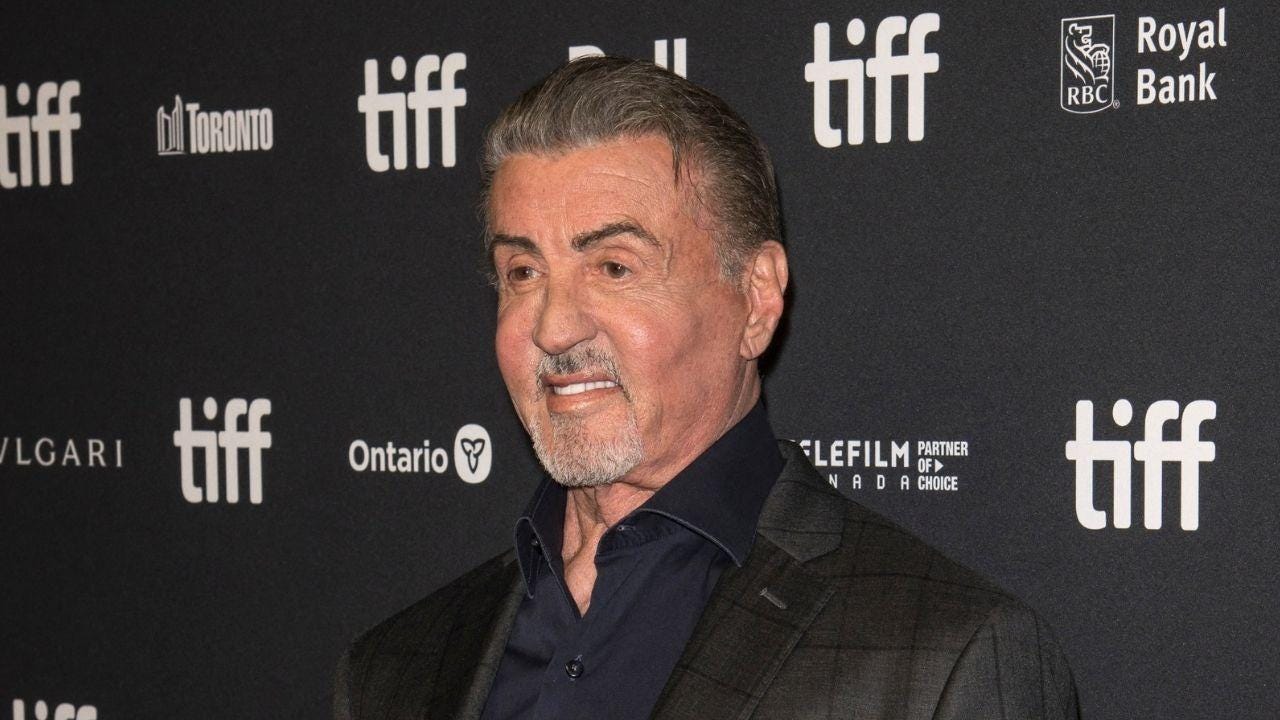
Stallone’s book chronicles his difficult beginnings, including financial hardship and the extraordinary journey that eventually produced Rocky, the boxing drama that transformed his career.
Collectors are continuing to compare newly delivered copies and share photographs of signatures they consider unusual.
One participant also posted footage apparently showing Stallone signing books in London, adding another reference point for examining his handwriting.
The online comparisons have not established wrongdoing by Stallone, his publisher or retailers, and no forensic examination confirming mechanical reproduction has been presented.
Celebrity autopen controversies have repeatedly engulfed some of entertainment’s biggest names, with fans questioning whether expensive signed memorabilia genuinely carries their idols’ handwritten signatures.
Bob Dylan apologized in 2022 after collectors discovered 900 supposedly hand-signed copies of his book The Philosophy of Modern Song, priced at $599 each, contained mechanically reproduced autographs.
Dylan blamed vertigo and pandemic restrictions, admitting: “Using a machine
was an error in judgment.”
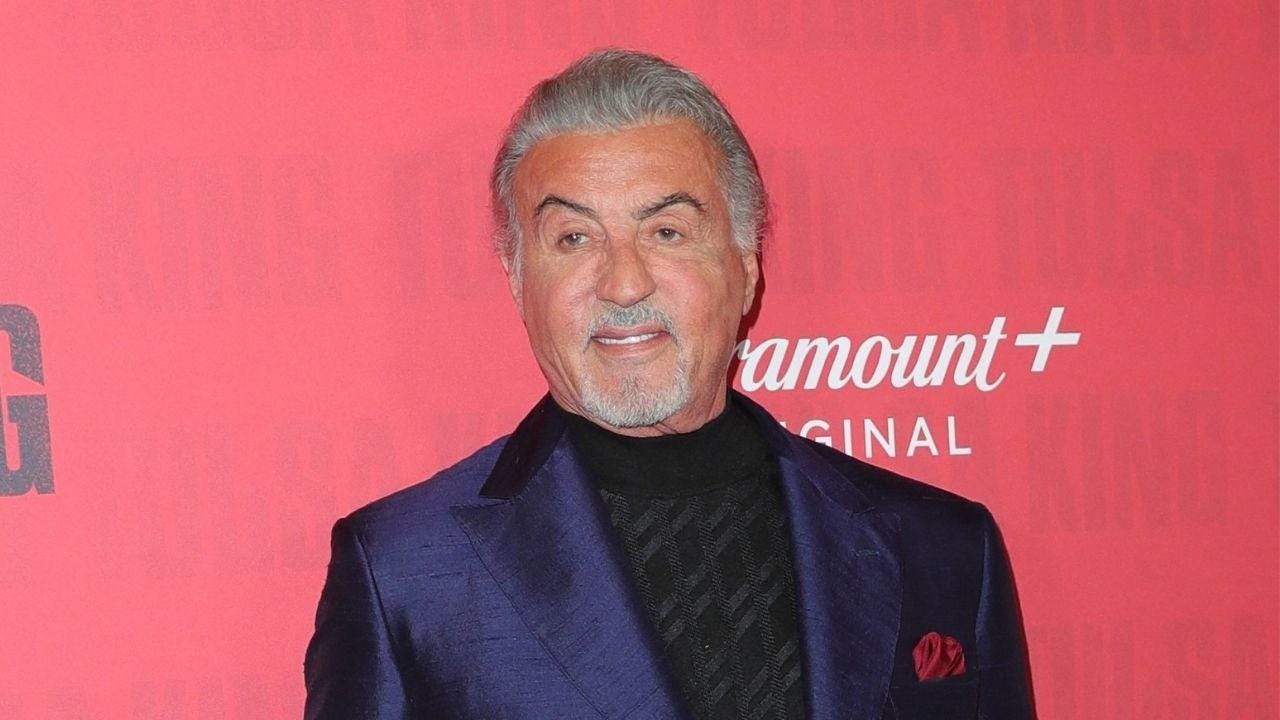
Publisher Simon & Schuster subsequently offered refunds.
Ozzy Osbourne also faced accusations in 2020 limited-edition copies of his album Ordinary Man contained autopen signatures, although the allegations were not conclusively established.
Dolly Parton, 80, similarly attracted scrutiny over signed editions of Songteller: My Life in Lyrics, while Van Morrison, 81, faced questions about autographs on Latest Record Project Volume 1.
Morrison’s management denied using an autopen.
Sinéad O’Connor admitted in 2021 she had used a signature stamp on 10,000 copies of her memoir Rememberings, explaining personally signing so many books was impractical.
More recently, Liza Minnelli, 80, faced allegations concerning signed editions
of Kids, Wait Till You Hear This!, after collectors identified remarkably similar signatures.