



Josh Kloss is said to have carried years of unresolved humiliation following an alleged incident involving Katy Perry – with the model now revisiting claims that he was publicly exposed without consent at a private party more than a decade ago.
The alleged encounter dates back to 2012, two years after Kloss appeared as Perry’s love interest in her “Teenage Dream” music video, a project that placed him at the center of one of the defining pop culture moments of the early 2010s.
At the time, Perry was at the height of her global fame, and Kloss was a relatively unknown model whose association with the singer had brought him both visibility and, he now suggests, a lasting sense of vulnerability.
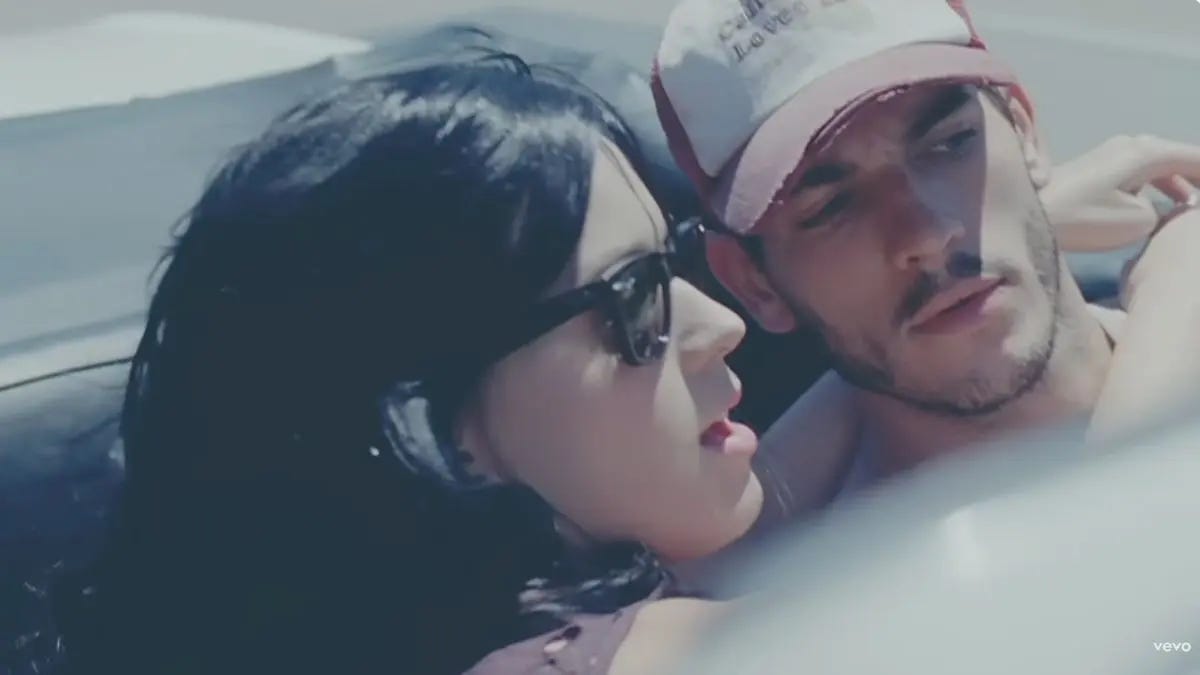
Speaking publicly again, Kloss framed his decision as both reluctant and necessary, describing the difficulty of revisiting an experience he believes has long been misunderstood or dismissed.
“It’s hard to bring up something that seems irrelevant to a lot of people… The world can judge me, you know?”
He also explained why the timing felt significant, stating that the renewed attention around other allegations made it feel “important” to be “brave” and “show my face and explain myself.”
Kloss has emphasized that his intention is not legal action or financial compensation, but rather to draw attention to how power dynamics and public perception can shape whether certain experiences are taken seriously.
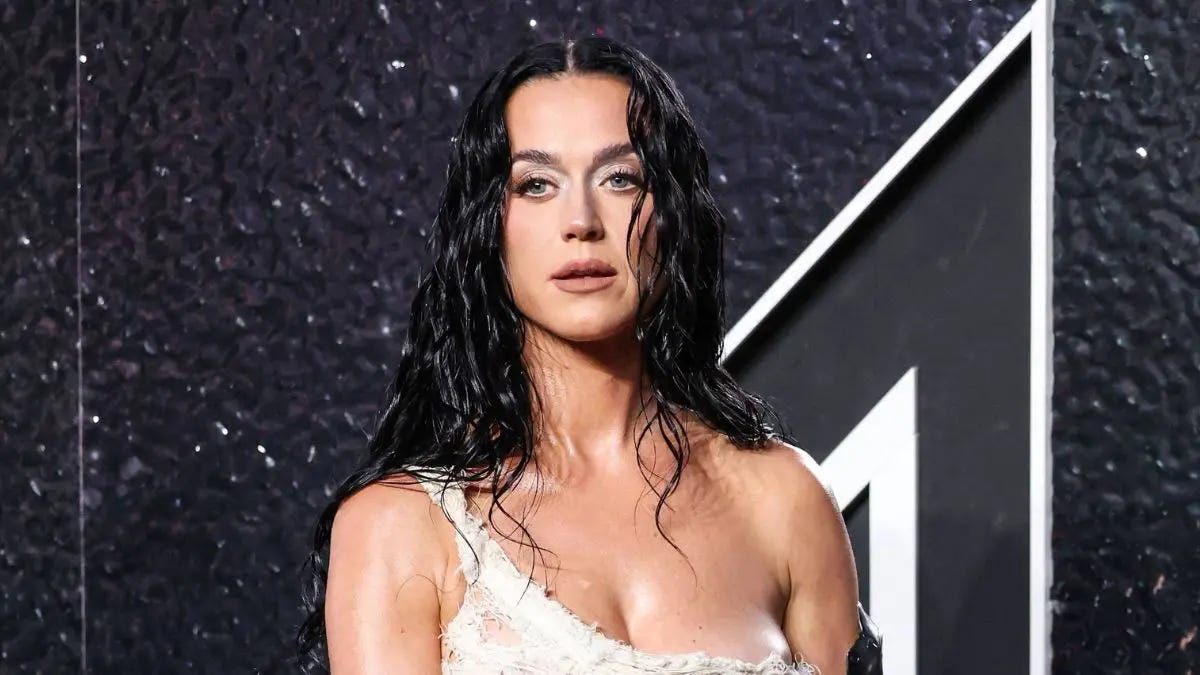
According to Kloss, the alleged incident occurred at a birthday party for Perry’s longtime collaborator Johnny Wujek, held at Moonlight Rollerway in Glendale, California, where he had arrived with a friend who was eager to meet the singer.
He has described the interaction as initially friendly, recalling that the two greeted each other warmly before the situation escalated in a way he says was both unexpected and deeply humiliating.
“When I saw her, we hugged, and she was still my crush,” he wrote in his original 2019 account. “But as I turned to introduce my friend, she pulled my Adidas sweats and underwear out as far as she could to show a couple of her guy friends and the crowd around us my penis.”
In later remarks, Kloss stressed that he did not view the incident as a joke or mutual prank, pushing back on suggestions that it could be interpreted as harmless party behavior.
“There was no horsing around” in their relationship, he said.
He further clarified the point he believes has been misunderstood in the public reaction to his claim.
“Some people believe that if you’re pulling people’s pants down at a party, you’re pranking them and it’s normal… That’s the main thing here. I want to clear that.”
Kloss says his reaction in the moment was immediate and visceral, describing a sense of shock that quickly gave way to anger as the situation unfolded before others.
“I freaked out [when she pulled my pants down and I said], ‘What the f*** are you doing?’ I freaked out, and she laughed,” he recounted.
He has described feeling “pathetic and embarrassed,” “devalued and degraded… to the highest level,” with the impact of the moment lingering long after the night itself.
The allegation first surfaced publicly in 2019, when Kloss posted about the incident on Instagram, tying his account to the anniversary of the “Teenage Dream” video release.
At the time, the story was picked up by several outlets but did not generate the sustained reaction that had accompanied other high-profile misconduct claims during the same period.
Some dismissed his account outright, while others questioned his motives or pointed to his past work as a model, arguing that the allegation should not be taken seriously.
Those reactions, Kloss has suggested, reflect a broader discomfort around acknowledging male experiences of humiliation and consent within an industry that often frames such dynamics differently.
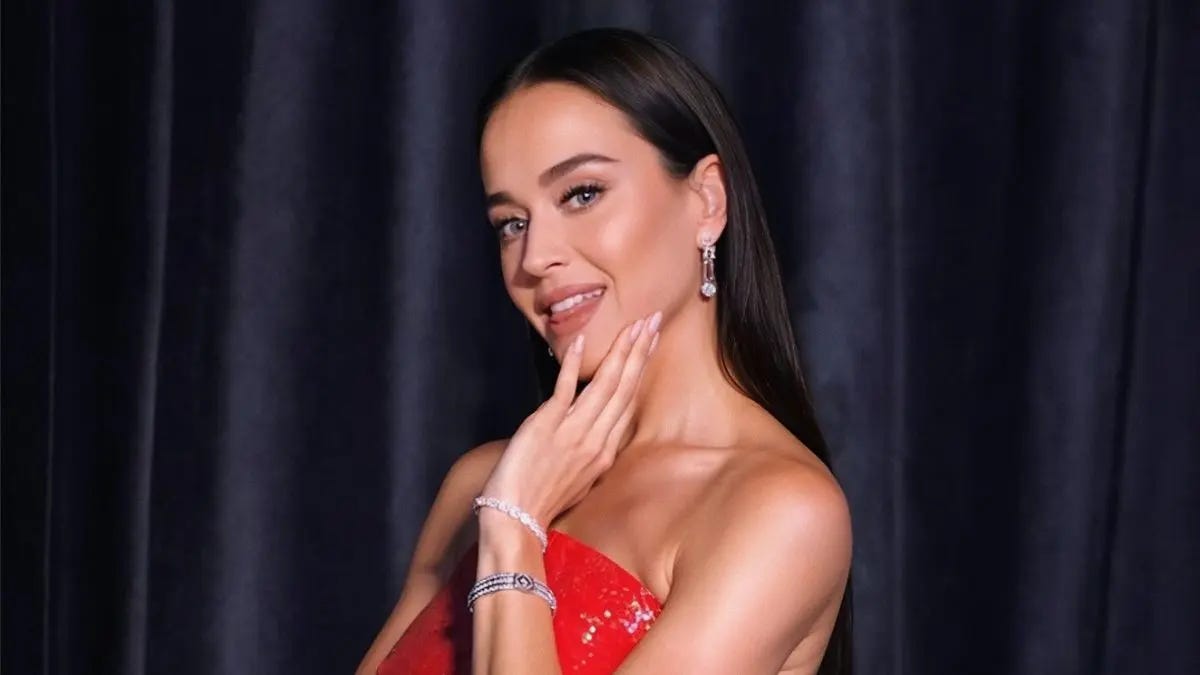
The story has now resurfaced after new allegations involving Perry emerged, bringing renewed attention to past claims and prompting Kloss to speak again in what he described as his “first – and… last – in-depth interview” on the matter.
He has said his decision to revisit the allegation was driven in part by a desire to contribute to a wider conversation about how such experiences are perceived.
“She, whom I should be grateful for, devalued and degraded me to the highest level in front of her closest peers,” he said.
Katy Perry has not directly addressed Kloss’s specific allegation, though she previously responded more broadly to claims about her conduct by saying:
“We live in a world where anyone can say anything… I don’t comment on all the things that are said about me because if I chase that dragon, it would be about true and false-ing my whole life.”
Those close to Perry have strongly disputed Kloss’s account, with Johnny Wujek responding at the time:
“This is such bulls–t. Katy would never do something like that.”
Others in her circle have suggested that Kloss’s account reflects a long-standing fixation, with one associate reportedly describing him as an “obsessed” figure.

The renewed attention surrounding the allegation has reignited broader debates about consent, power, and how credibility is assigned when accusations do not fit familiar narratives.
A source familiar with the wider reaction said:
“What makes this complicated is not just the allegation itself, but how people process it depending on who is involved.
“There is still a gap in how seriously different kinds of experiences are taken, especially when they challenge expectations.”
For Kloss, the decision to speak again appears to be less about reopening the past and more about closing it on his own terms, after years in which he says the impact of that moment remained unresolved.
As with other allegations against Perry, the allegation remains untested in court, with no legal action filed by Kloss regarding the 2012 incident and no formal finding made.
But more than a decade after the night in question, the fact that the story continues to resurface suggests that, for Kloss, the experience has never fully faded – and that the questions it raises about power, perception, and consent are still very much unresolved.