


Dr. David Kelly knew where the bodies were buried, at least metaphorically.
He was not a politician, a spy chief, or a public campaigner. He was a soft-spoken scientist whose expertise on Iraq’s alleged weapons programs placed him at the center of one of the biggest political crises in modern British history.
When Kelly died on Harrowdown Hill in July 2003, only days after being publicly identified as the scientist linked to explosive BBC reporting on the government’s Iraq dossier, his death immediately became far more than a personal tragedy.
Kelly had spent years inspecting suspected biological and chemical weapons facilities in Iraq, earning an international reputation as one of Britain’s leading experts on weapons of mass destruction.
After the invasion of Iraq, he found himself caught between Tony Blair’s government and the BBC when journalist Andrew Gilligan reported that intelligence on Saddam Hussein’s alleged weapons capabilities had been deliberately exaggerated to strengthen the case for war.
Although Kelly acknowledged speaking with BBC journalists, he disputed being the source of some of the report’s most explosive claims, leaving him trapped in an increasingly difficult position as the political crisis deepened.
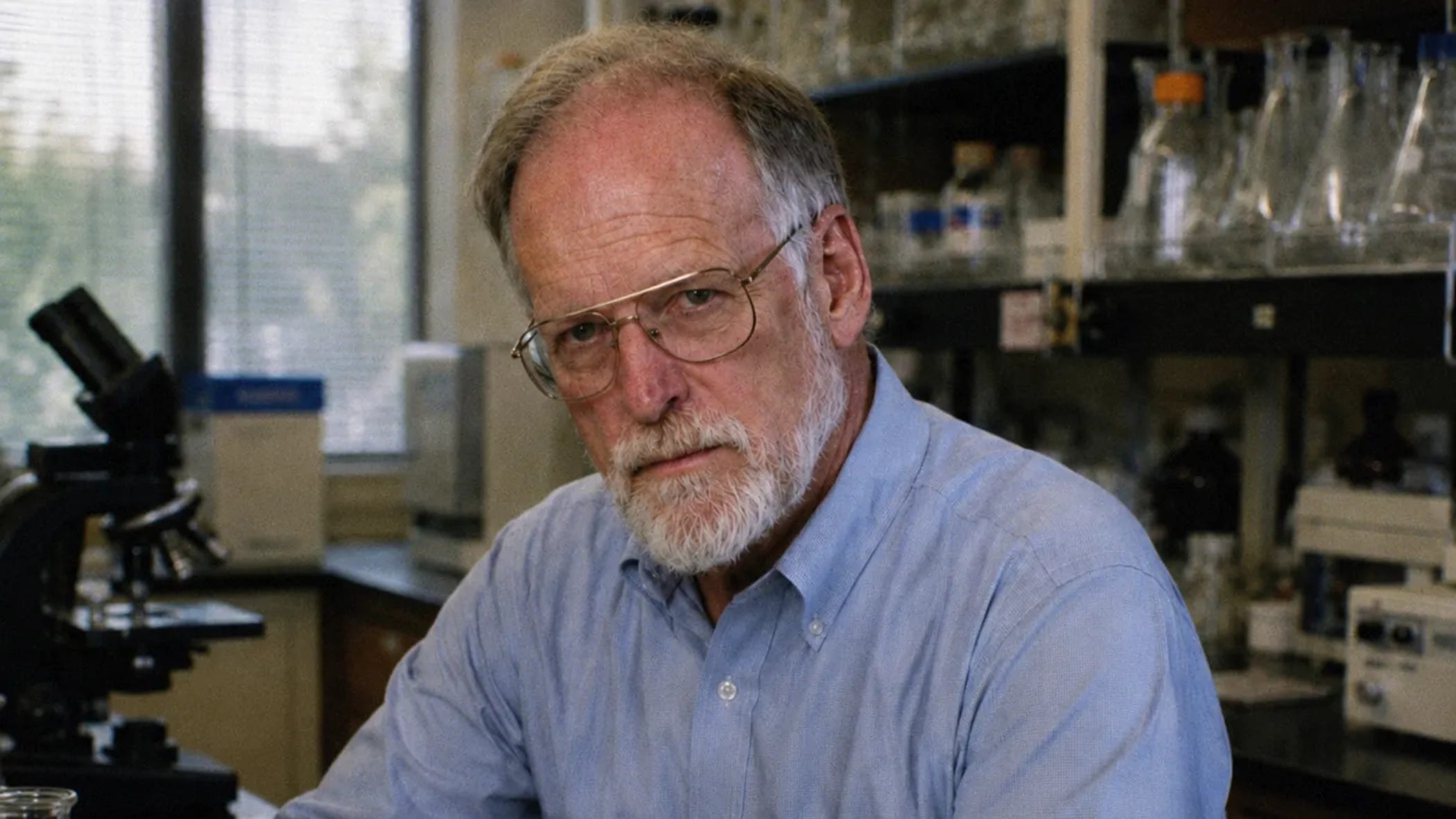
After government officials released enough identifying details for reporters to name him publicly, Kelly was thrust into the kind of media attention he had spent his career avoiding.
On July 15, 2003, he appeared before the House of Commons Foreign Affairs Select Committee, where millions watched the reserved civil servant face hours of questioning about his contacts with journalists and his role in the growing controversy.
Just two days later, Kelly left his Oxfordshire home for what appeared to be an ordinary afternoon walk. He never came back.
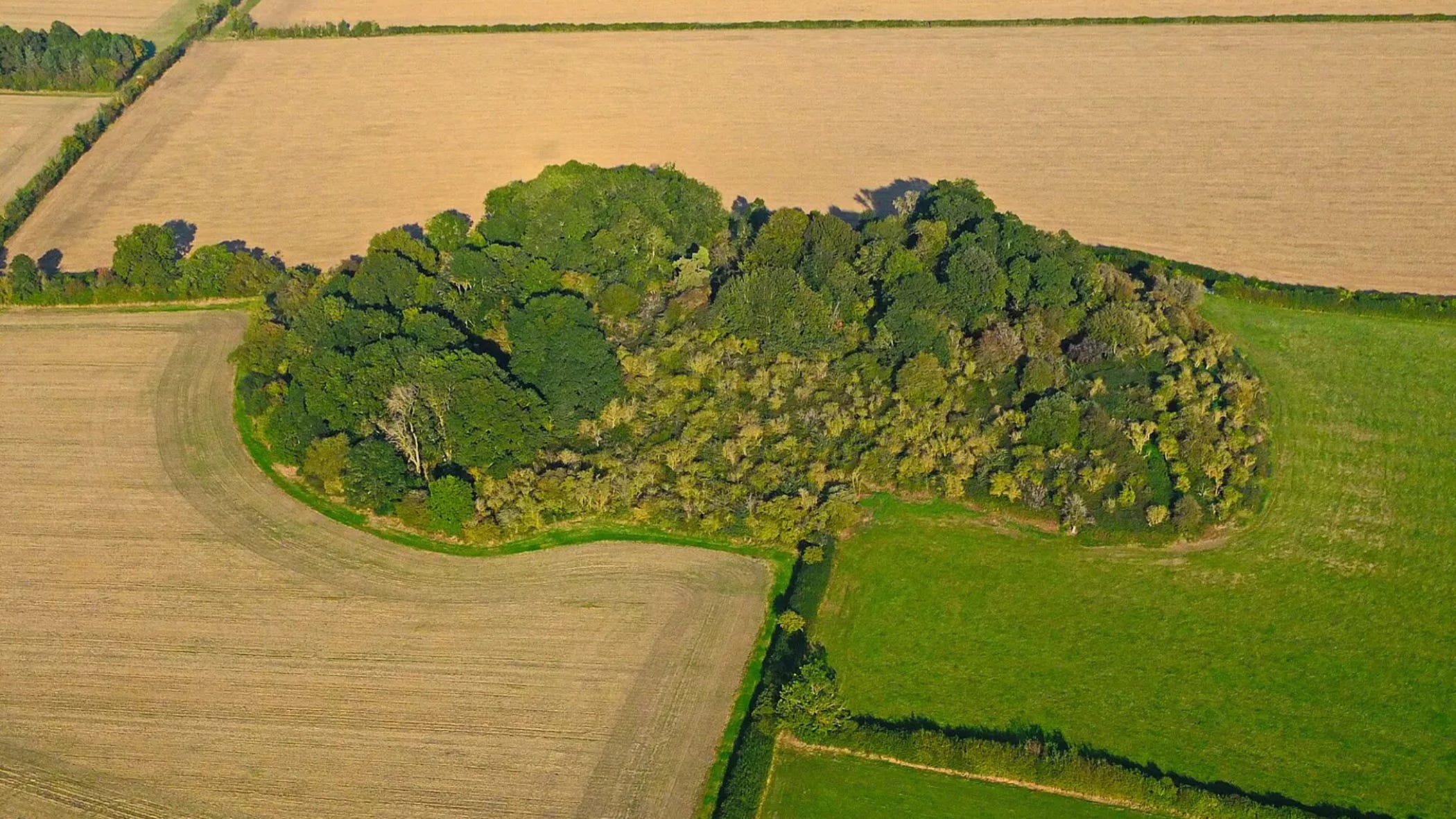
Search teams found Kelly’s body on Harrowdown Hill the following morning near a tree, alongside a pruning knife and empty prescription painkiller packets.
Lord Hutton’s inquiry concluded that Kelly died by suicide after cutting his left wrist, finding that blood loss, painkillers, and underlying heart disease together caused his death. The inquiry found no evidence that anyone else had been involved. Subsequent reviews reached the same conclusion, and Kelly’s family has largely rejected claims that he was murdered or that the official investigation concealed the truth.
Even so, the case has never stopped attracting scrutiny because critics argue several questions remain unanswered.
Among the issues raised repeatedly are whether damage to the ulnar artery alone could have caused fatal blood loss, why investigators reportedly found no fingerprints on the knife or the blister packs, why no suicide note was discovered, and why Kelly’s watch had been removed and placed beside his body.
Supporters of the official findings argue those questions have been thoroughly examined and do not undermine the medical evidence. Critics continue to argue that they deserve closer examination.
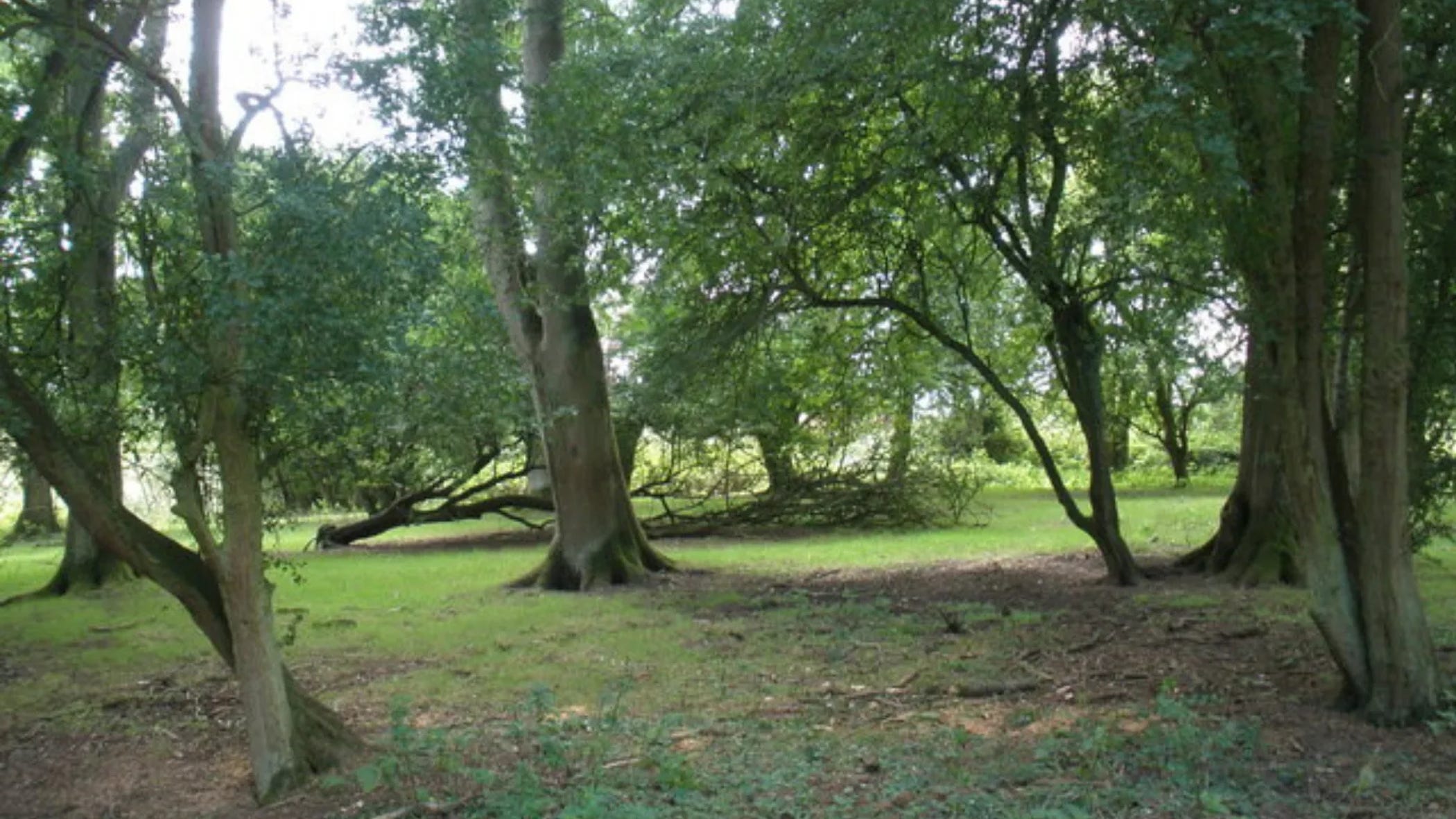
Speculation has also been fueled by comments Kelly made before his death, including an email referring to “many dark actors playing games” and evidence presented to the Hutton Inquiry that he had once remarked he would “probably be found dead in the woods” if Iraq was invaded.
To those who accept the official conclusion, those remarks reflected the extraordinary personal and professional pressure placed on a scientist suddenly caught in the center of a national political crisis. To skeptics, they form part of a broader pattern that continues to raise doubts.
What remains beyond dispute is that Kelly died just as Britain’s justification for the Iraq War was beginning to collapse, ensuring that questions about his death became inseparable from the wider loss of public trust in the government’s case for war.
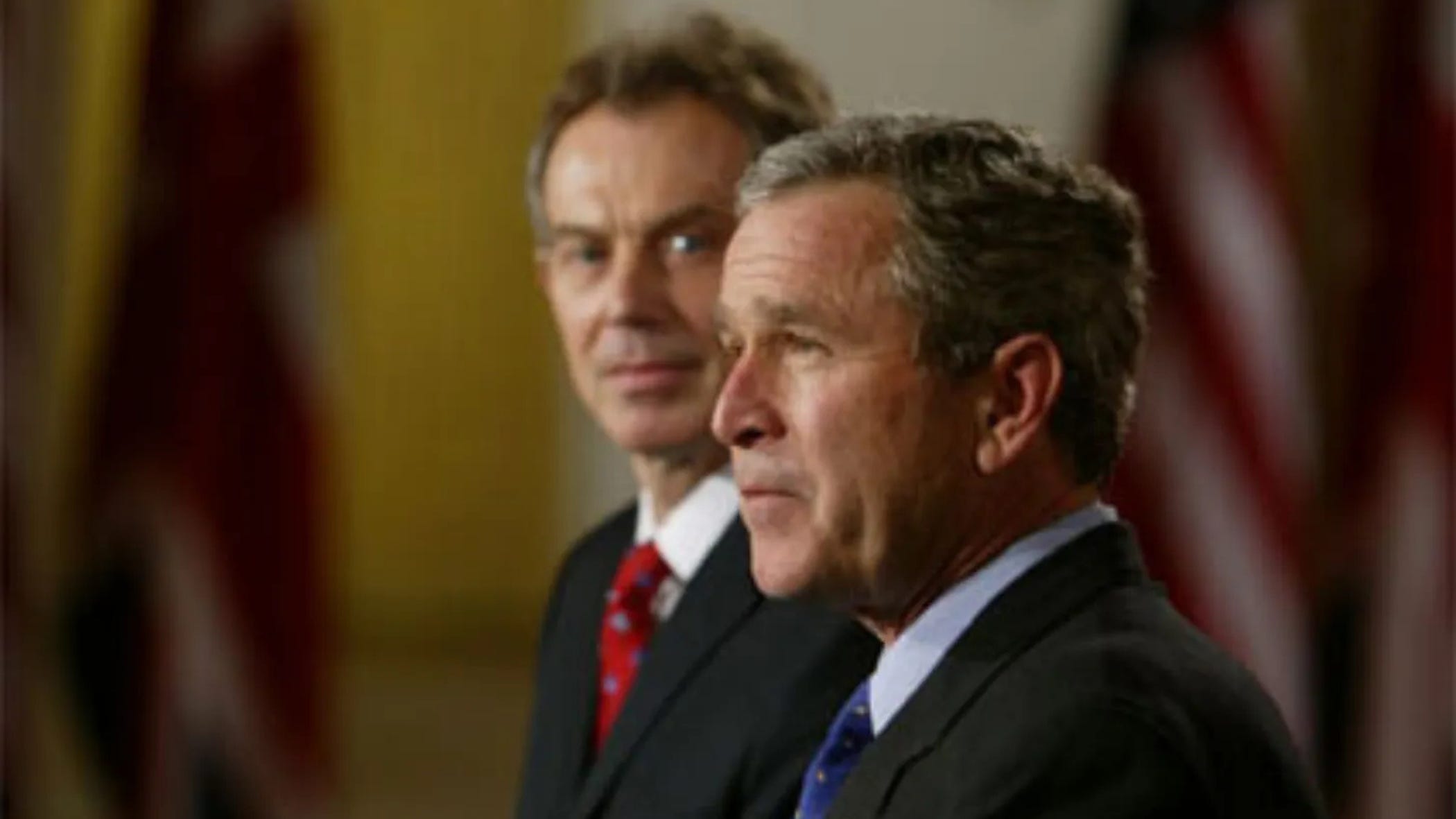
More than two decades later, David Kelly remains one of the defining figures of the Iraq era, not because of the weapons he searched for, but because of the questions that followed his death.
Whether he is remembered as a scientist overwhelmed by extraordinary political pressure or as the central figure in one of Britain’s longest-running controversies, his story continues to resonate because it sits at the intersection of war, intelligence, government secrecy, and public trust.
The man who spent his career investigating hidden truths ultimately became the subject of one of Britain’s most enduring unanswered debates.