


Tiger Woods is said to be making early progress inside an intensive rehabilitation program in Switzerland, with insiders claiming the golf legend is “responding well” following his latest off-course crisis.
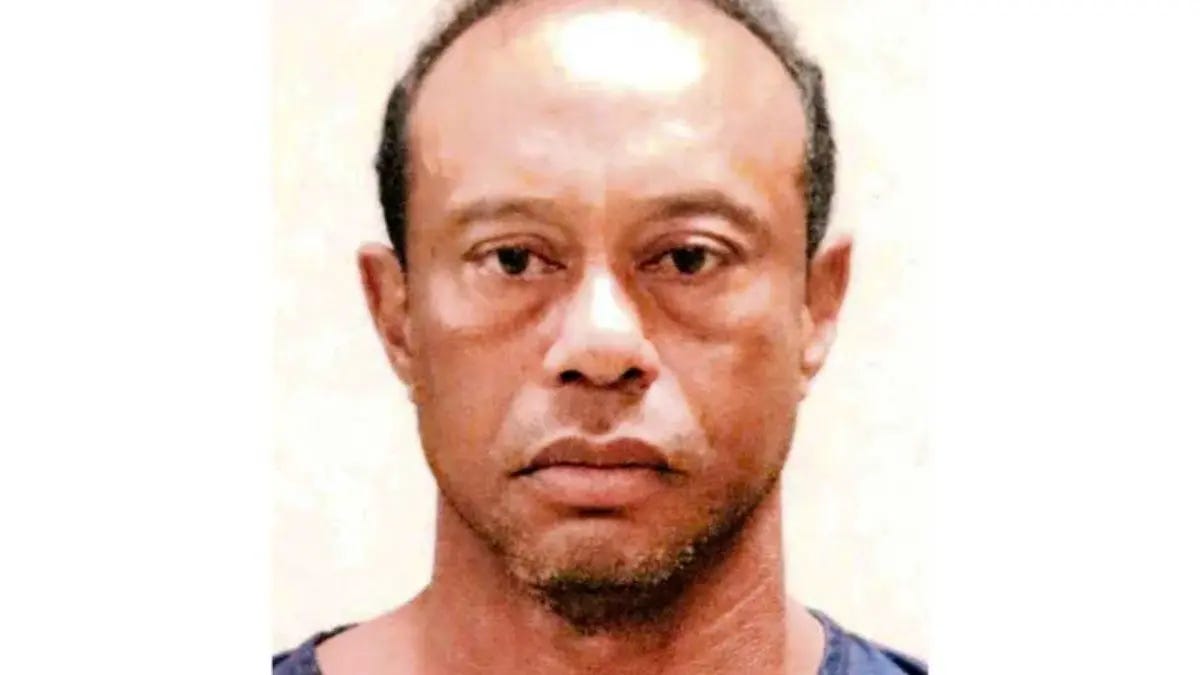
The 50-year-old entered a 90-day inpatient facility in Zurich after his arrest last month on driving under the influence charges following a single-vehicle rollover crash near his Florida home.
Those close to the situation say the decision marks a critical turning point in a long-running battle with pain, injury, and recovery.
A source close to Woods’ inner circle described the program as both physically and psychologically demanding, with a strong focus on managing chronic pain without reliance on addictive medication.
“He’s got a pain management doctor who is helping him deal with his body pain without addictive opioids,” the insider said. He calls or Zooms a small number of people: Vanessa, his kids, and Mark Steinberg. He’s responding well to treatment, and Vanessa is very happy with what she’s hearing.”
The source added that Woods has deliberately limited contact with the outside world, maintaining a tight circle of communication while focusing on what has been described as a structured, long-term recovery plan.
Those familiar with elite athlete rehabilitation say this kind of controlled isolation is often necessary, particularly in cases where physical injury and dependency risks intersect over a prolonged period.
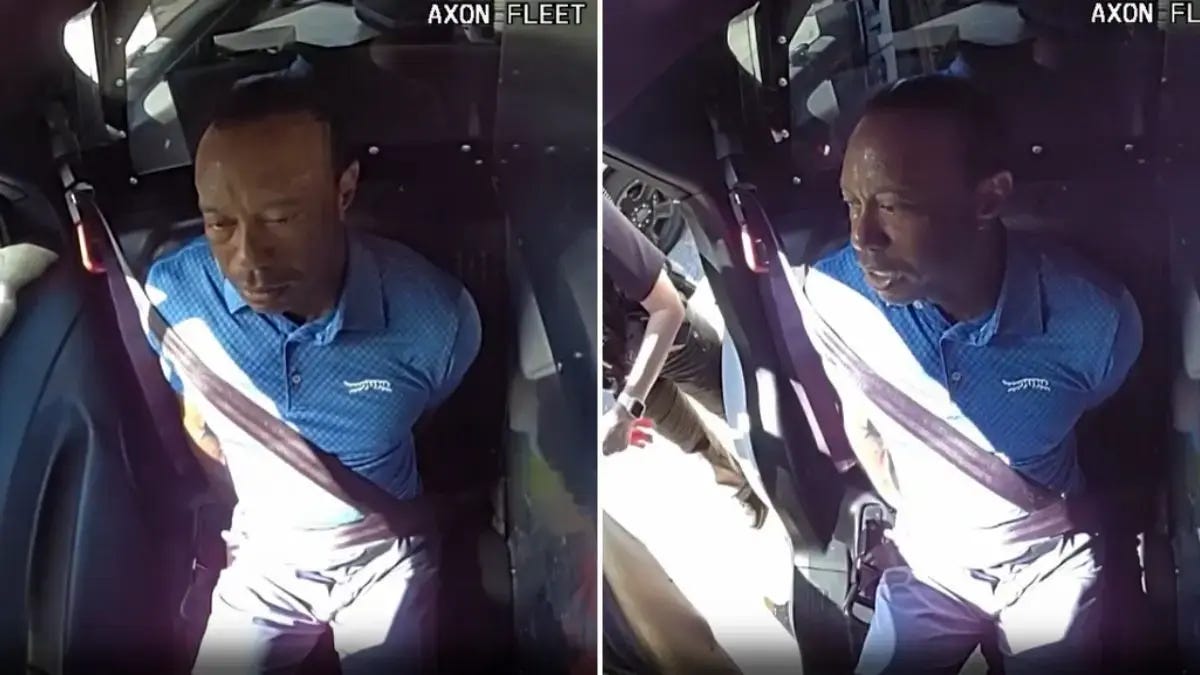
The update follows Woods’ arrest on 27 March, when his vehicle reportedly clipped the back of a truck and trailer before rolling onto its side.
Bodycam footage captured Woods explaining the incident to officers, telling them: “I looked down at my phone, and all of a sudden – boom,” while also referencing a phone call he claimed to have been on at the time.
Authorities later determined impairment by prescription medication rather than alcohol, with Woods found in possession of hydrocodone pills at the scene.
In a statement released after the incident, Woods acknowledged the seriousness of the situation and confirmed he would step away from competition to focus on recovery.
“I know and understand the seriousness of the situation I find myself in today,” he said. “I am stepping away for a period of time to seek treatment and focus on my health. This is necessary in order for me to prioritize my well-being and work toward lasting recovery.”
Those close to Woods say the latest incident has been shaped by years of accumulated physical strain, with his body enduring repeated trauma, including a near career-ending crash in 2021, a ruptured Achilles tendon in 2025, and multiple back surgeries.
A source familiar with his condition said:
“Tiger can be defensive at times, but he was embarrassed and ashamed at the latest accident. He wants to fix his problems.”
Observers say that pattern – high pain tolerance, repeated comebacks, and ongoing reliance on medical intervention – is not uncommon among elite athletes whose careers have been defined by physical endurance.
A source with experience in long-term rehabilitation cases said:
“In situations like Woods’, the challenge isn’t just stopping a behavior – it’s replacing an entire way of functioning that’s been built over decades.
“You’re looking at someone who has pushed through pain at a level most people never experience, and that kind of conditioning doesn’t disappear overnight.
“Recovery in these cases is less about a single breakthrough moment and more about rebuilding habits, boundaries, and identity from the ground up, which is why programs like this are designed to be immersive and controlled.
“The encouraging updates suggest he’s engaging with the process. Still, history shows that the real difficulty begins when the structure is removed, and the individual has to maintain that discipline independently.”
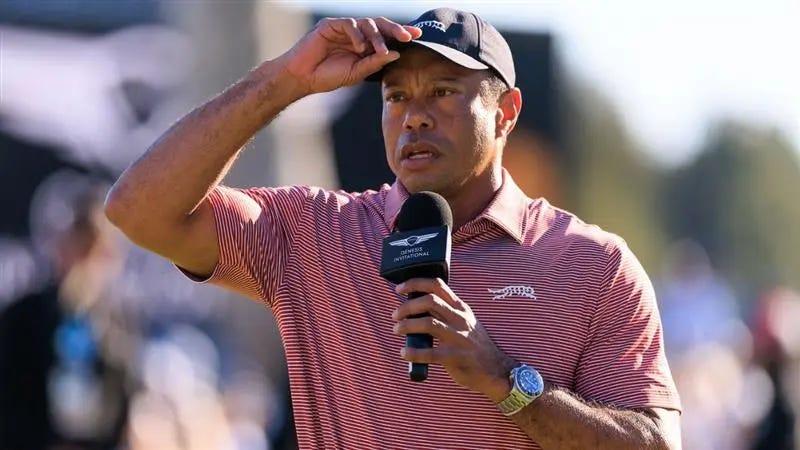
Woods has not competed on the PGA Tour since 2024 and has already stepped away from future commitments, including declining a planned leadership role at the 2027 Ryder Cup.
Those close to him say the immediate focus is no longer on competition, but on stability.
For a player whose career has been defined by repeated comebacks, this latest chapter represents a different kind of test – one that cannot be measured in trophies or rankings.
Early signs from Switzerland may be positive.
But as those around him acknowledge, recovery at this level is rarely linear – and what happens after the program ends will ultimately determine whether this marks another comeback or something more final.